Pillar 02 · Physical & Emotional Well-being
Children need more than a classroom. They need room to flourish.
Healthy bodies, steady hearts and safe places to play are the foundations of childhood. SKOM’s well-being pillar supports children to grow physically, emotionally, socially and spiritually.
Growing in every way
Well-being is the ground that learning grows in.
A child who is hungry, unwell, anxious or isolated finds it hard to learn and hard to hope.
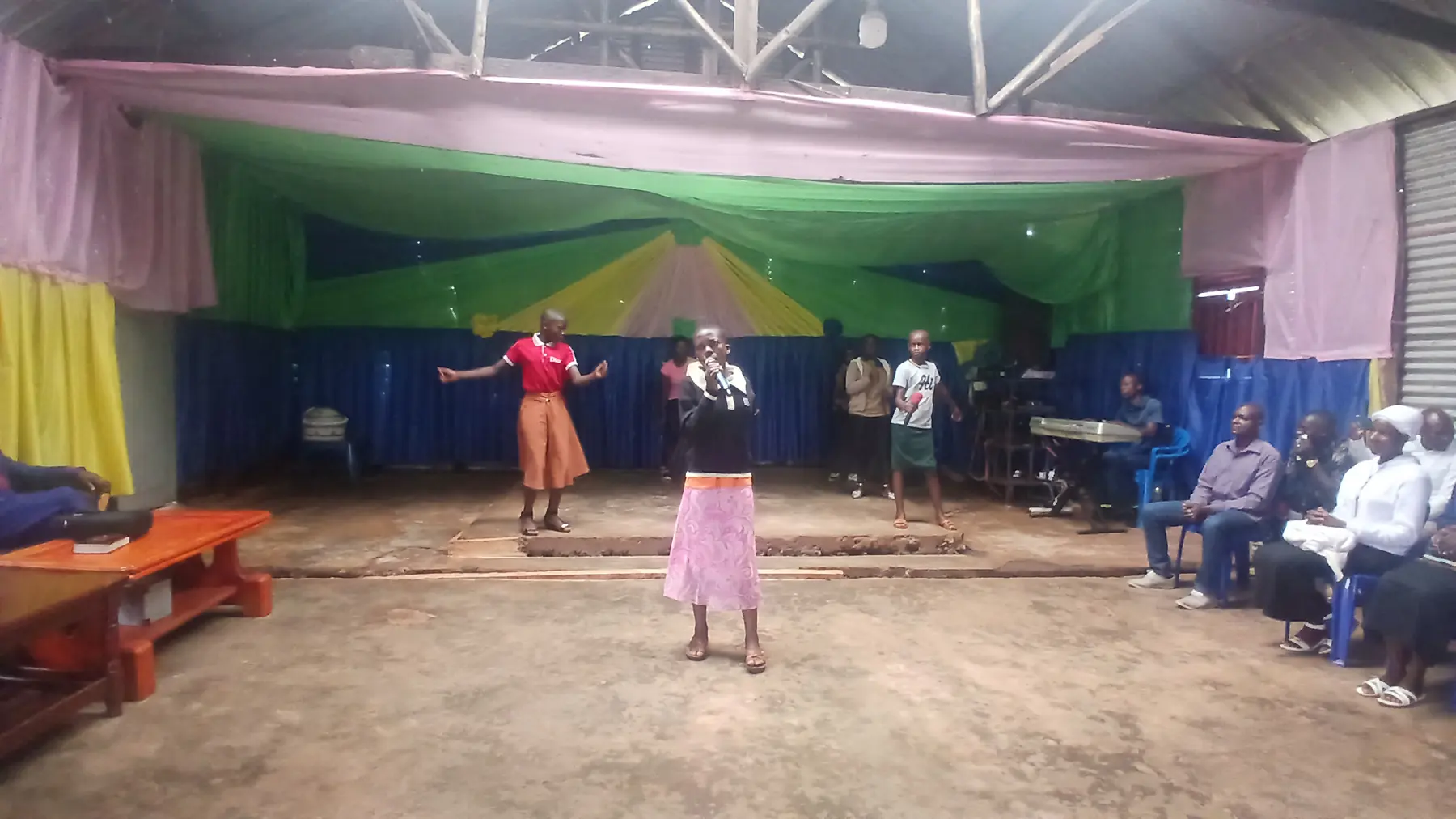
SKOM’s well-being pillar aims to encourage healthy habits, build emotional resilience and create safe spaces for play, sport, creativity and friendship — helping children develop teamwork, empathy and positive relationships with their peers.
Physical
Health, hygiene, nutrition and activity.
Emotional
Resilience and healthy coping.
Social
Teamwork, empathy and friendship.
Spiritual
Hope anchored in faith and care.
What this pillar includes
Planned well-being activities.
These activities form part of SKOM’s 2026–2029 program.
Health & hygiene education
Helping children and families build everyday habits that protect health.
Nutrition support
Supporting good nutrition so children have the energy to learn, play and grow.
Psychosocial support groups
Safe, supportive groups where children can build emotional resilience and healthy coping.
Safe recreation
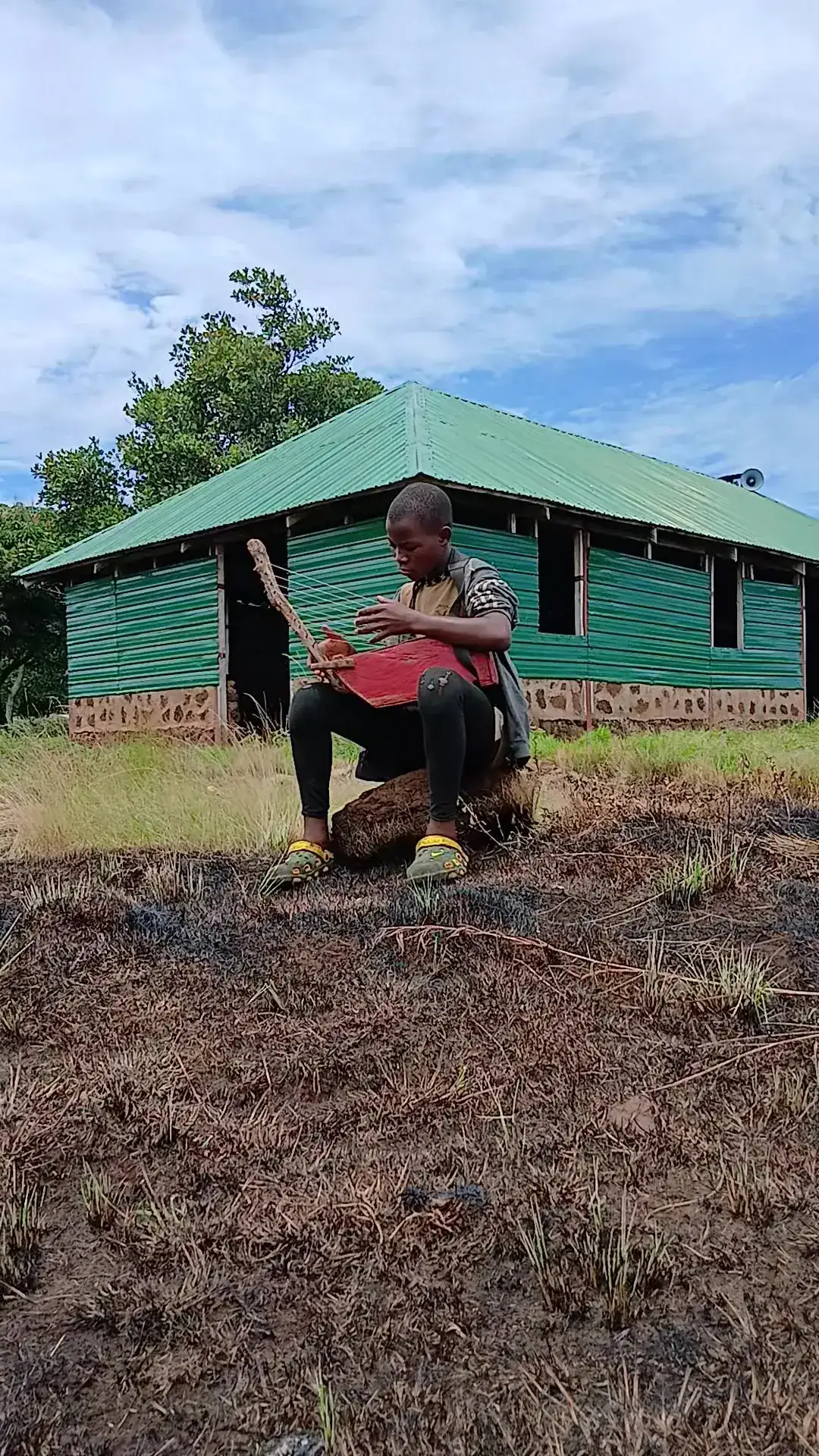
Supervised spaces for play, creativity, music and friendship.
Sports programs
Sport that builds physical health, teamwork and positive peer relationships.
Safe environments
Every well-being activity is shaped by SKOM’s commitment to child safeguarding.
Strategic objectives
What this pillar sets out to do.
As agreed by SKOM’s founding members.
- Encourage healthy habits, nutrition and physical activity
- Build emotional resilience and healthy coping mechanisms
- Foster teamwork, empathy and positive peer relationships
Help create safe places for children to grow.
Partners can support health education, nutrition, psychosocial support, recreation and sport.